Assessment & Progress Reporting
We believe every child develops at their own pace.
Instead of grades or standardized testing, we take a whole-child approach that celebrates each child's strengths, interests, curiosity, and emerging skills. Assessment is about understanding how children learn best, not testing them.

Our Assessment Methods
Teacher Observations
Educators observe children's social-emotional development, communication, creativity, problem-solving, early literacy and numeracy, and motor development to plan individualized learning experiences.
Documentation & Portfolios
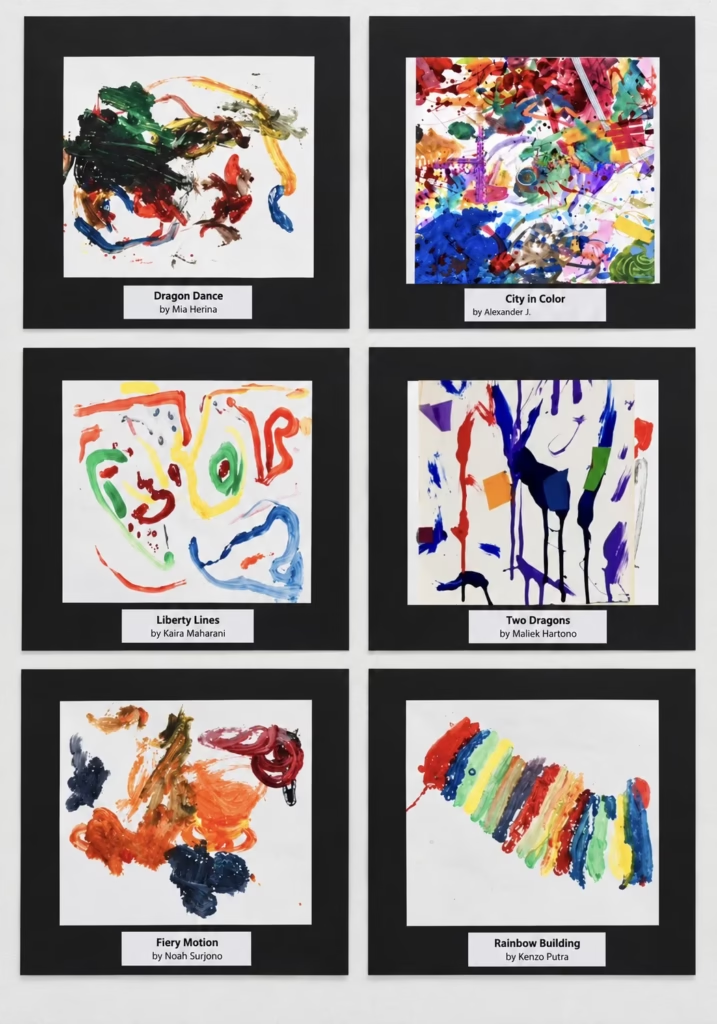
Children's learning is documented through photographs, artwork, writing samples, project work, anecdotal notes, classroom displays, and individualized portfolios that make learning visible.
Developmental Screenings
When appropriate, Ages & Stages Questionnaires® (ASQ-3) and BRIGANCE® Early Childhood Assessments may complement observations. They are never the sole measure of a child's abilities, and results are shared with families.
Progress Reporting
Families receive ongoing insight into their child’s experiences and development through:
✓
Regular classroom updates and learning documentation
✓
Mid-Year Development Summary (February)
✓
End-of-Year Learning Portfolio & Progress Reflection (June)
Mid-Year Development Summary
Each February, families receive a personalized summary highlighting their child’s progress, emerging skills, interests, accomplishments, and goals for continued growth.
End-of-Year Learning Portfolio & Progress Reflection
In June, families receive a comprehensive reflection celebrating meaningful accomplishments, developmental milestones, creative projects, discoveries, and memorable moments from the year.